Basement Pest Control in North York, ON
Below-grade pest problems in North York often start in places homeowners do not spot every day: behind storage boxes, around utility lines, near floor drains, and along the edges of older foundations. Whether you live in an older detached home near Willowdale, a semi-detached house around Yonge and Sheppard, a basement apartment in Downsview, or a condo building with shared mechanical rooms, the conditions below grade can make basement pests hard to ignore. That is why effective pest control North York is not just about reacting to an infestation; it is about seeing why basements attract pests in the first place and how to prevent them from coming back.
Because North York is part of the City of Toronto, local pest pressure is shaped by a mix of cold winters, humid summers, older housing stock, and multi-unit buildings. Those seasonal swings can increase moisture, open up structural gaps, and push pests indoors in search of warmth, food, and harborage. A focused basement strategy uses inspection, sanitation, exclusion, and monitoring to tackle pests where they live and travel.
The reason Basements in North York Lure unwanted pests
Basements offer perfect conditions for a broad set of basement pests because they are often cooler, less bright, and more damp than the upper floors. In North York, humidity is a key factor, especially during humid summers in Toronto, when moist air can linger in below-grade spaces and fuel pest activity. Even in winter, indoor moisture from laundry rooms, showers, and utility equipment can keep a basement attractive to insects and rodents.
One more common issue is foundation cracks. Small cracks in poured concrete, gaps where pipes enter, and openings around windows or vents become entry points for pests. In older North York homes, those structural gaps may grow larger over time as the building settles. That makes exclusion a critical part of any basement pest plan.
Drainage issues also play a role. Poor grading, clogged eavestroughs, and water pooling near the foundation can increase dampness in the lower level. Homes with aging weeping tiles or overloaded sump pumps may struggle to keep water away from the basement, which can lead to basement waterproofing concerns and create conditions pests love.
For many properties in North York, these factors combine into a cycle: moisture encourages insects, insects attract spiders and centipedes, and rodents follow food, warmth, and nesting opportunities. That is why local knowledge matters. A pest issue in a basement near a condo corridor is not treated the same way as a problem in a detached home in North York with older stone or brick construction.
Frequent Lower-level Pests in North York Homes
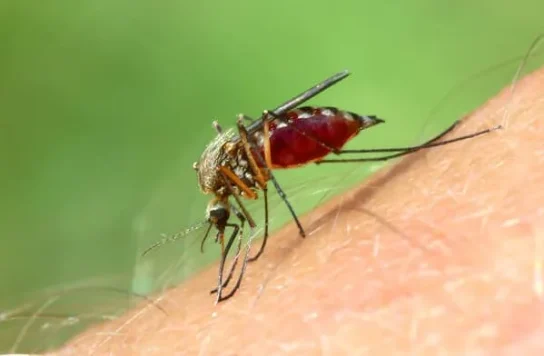
Various species are particularly likely to appear in North York lower levels. The most common are mice, rats, ants, cockroaches, and silverfish, but homeowners also report spiders, centipedes, and carpenter ants in humid or messy areas.
Mice are frequent invaders because they can squeeze through tiny gaps and set up nesting sites in insulation, stored cardboard, or behind appliances. In North York, mice often move between utility rooms, basement ceilings, and wall voids, especially in older houses and basement apartments. If food or pet supplies are stored downstairs, the basement becomes even more inviting.
Rodents are less common than mice in some homes, but they are a serious concern where drainage problems, open utility access, or nearby trash handling provide access. They leave visible droppings, create munching damage, and often navigate through basement utility corridors or along shared walls in multi-unit properties.
Cockroach infestations flourish where moisture, higher temperatures, and crumbs overlap. In lower-level kitchens, laundry areas, and shared utility spaces, they can spread quickly. Their presence is often linked to sanitation concerns, but in condo and rental settings, the source may be in another unit or common area.
Ant species, particularly nesting ants, are a further basement concern. This species do not eat wood, but they burrow into moist or weakened materials to form nesting areas. That makes humid basements and hidden leaks especially inviting. Additional ants may trail in near windows, floor gaps, or plumbing lines in search of water and food.
Silverfish like dark, damp places and are commonly found near storage spots, cardboard, and paper goods. They can develop into a recurring issue in humid basements where moisture control is weak. Meanwhile, spiders and centipedes often indicate the presence of other insects, since they eat smaller pests and hide in quiet corners.
Simply put, basement pests are often a symptom of a broader underlying issue: easy access, dampness, and shelter. The proper pest control approach starts by knowing which pests are active and why they selected the space.
Signs That You Need Pest Control in North York
Early detection can protect you from a more serious infestation. Typical signs include droppings in tight corners, on storage shelves, along baseboards, or near furnace rooms. Mouse and rat droppings are often found where rodents pass through often, while insect droppings can appear as small pepper-like residue or staining near hiding spots.
Gnaw marks are another warning sign. Rodents gnaw on wood, plastic, cardboard, wires, and even soft building materials. If you spot damaged storage bins, shredded boxes, or marks on utility lines, it may indicate active rodent movement in the basement.
Musty odours should never be ignored. A lingering smell can indicate moisture buildup, hidden nesting, decaying organic material, or waste from rodents and insects. In North York basements, odor often pairs with dampness, which can point toward leaks, poor ventilation, or moisture from weeping tiles and sump pump issues.
Watch for nesting materials as well. Shredded paper, insulation, fabric, dryer lint, and cardboard are all signs that pests are setting up a nest in your basement. These materials can appear in utility rooms, behind stored items, or inside wall cavities where pests are trying to stay hidden.
Other signs include movement sounds in the walls, live insects near drains or windows, and recurring pest activity despite cleaning. If you keep seeing the same pests, even after setting traps or using over-the-counter products, the problem may be more entrenched than a one-time visit.
How Professional Lower-level Pest Services Works
Professional basement pest management is usually centered on a combined pest strategy, which includes inspection, targeted treatment, exclusion, sanitation, and follow-up. The goal is not just to kill visible pests, but to remove the conditions causing the infestation.
The first step is a detailed inspection. A licensed technician looks for entry points, signs of nesting, food sources, moisture problems, and structural vulnerabilities. In North York homes, that often includes checking foundation walls, utility penetrations, window wells, floor drains, furnace rooms, and areas around weeping tiles and sump pumps. In condos or multi-unit buildings, common areas and shared mechanical rooms may also need review.
After the inspection, the technician develops a treatment plan. This may include baits, traps, targeted insect treatment, and moisture-related recommendations. The exact approach depends on the pest species, the level of activity, and whether the property is a detached home, basement apartment, or condominium unit.
Exclusion sealing is often the most important long-term step. This means closing off cracks, gaps, and openings so pests cannot return. For rodents, this process is a form of rodent-proofing. It may involve sealing gaps around pipes, repairing vents, closing structural cracks, and improving door sweeps or basement window protection. In older North York homes, exclusion work is especially valuable because aging materials can leave multiple access points.
Sanitation is also critical. Food crumbs, pet food, damp cardboard, clutter, and trash all contribute to pest activity. A good pest professional will explain how housekeeping and storage changes support treatment and reduce harborage. In basements, sanitation often means reducing clutter, lifting items off the floor, and storing goods in sealed containers.
The final step is tracking. Specialists may place capture devices or monitoring devices, follow up for a second visit, and verify whether pest activity has stopped. Continual tracking is especially important in buildings with common walls, service access, or many occupants, because pests can pass between spaces. In those cases, coordination with building management may be needed to address the issue completely.
Lower-level Pest Prevention Tips for North York Properties
Avoidance is easier when you handle the basement as part of the home’s humidity and maintenance system. For many North York properties, the best results come from blending cleaning habits with structural improvements.
Start with a dehumidifier. A good unit can lower humidity and make the basement far less appealing to silverfish, cockroaches, and ants. In humid basements, this one step can make a big difference, especially during summer in Toronto when moisture levels rise.
Next, focus on sealing entry points. Check for gaps around utility penetrations, cracks in the foundation, loose window frames, and openings near the sill plate. Small issues become pest highways if left alone. This is also the time to inspect basement doors, vents, and weatherstripping for damage.
Improve your storage practices. Avoid stacking cardboard boxes directly on the floor, and use sealed plastic bins instead. Keep paper goods, holiday decorations, pet food, and seasonal clothing off the ground when possible. Good storage reduces harborage and makes inspection easier if pests do appear.
Regular maintenance matters too. Clean floor drains, check for plumbing leaks, inspect sump pumps, and make sure downspouts are directing water away from the foundation. If your basement has a history of dampness, consider broader basement waterproofing improvements. Addressing moisture helps with prevention far more effectively than relying on traps alone.
Simple sanitation routines also go a long way. Vacuum regularly, remove clutter, empty garbage promptly, and clean up spills quickly. In homes where mice or ants have been active, sanitation is not just housekeeping; it is a key part of pest control.
For condo residents and rental tenants, prevention may also depend on building systems. Shared utility rooms, garbage handling areas, and walls between units can all influence pest movement. That is why communication with property management can be essential when prevention needs to happen beyond one unit.
The time to Reach out to a Regional Pest Control Expert
You should contact a professional when infestation severity rises, when pests keep coming back, or when the signs point to a hidden source you cannot safely reach. One or two insects may be manageable with simple prevention, but repeated sightings, strong odor, active droppings, or rodent chewing usually signal a larger issue.
Health risks are another reason to act quickly. Rodent droppings, cockroach activity, and contaminated nesting areas can affect indoor air quality and create concerns for children, older adults, and anyone with allergies or asthma. If pests are in a basement apartment or shared building area, the risk can spread beyond one household.
Contact them sooner if you have recurring pests despite trying traps, cleaning, or DIY treatments. Repeated activity often means the source has not been fully removed. That could be a https://mississauga-onlt910.wordcanopy.com/posts/pest-treatment-for-infestations-in-north-york-what-homeowners-need-to-know structural gap, an ongoing moisture problem, or a hidden nesting site behind walls or under stairs.
It is also smart to ask about warranties. A strong service provider should outline what is covered, whether follow-up visits are included, and how monitoring will be handled after treatment. For complex homes in North York, especially older detached properties or condos with shared systems, warranties can provide helpful peace of mind.
Most importantly, choose a company with local expertise. North York basement conditions are not identical to suburban homes farther out or high-rise pest issues in other parts of Toronto. You want a professional who understands older foundations, multi-unit coordination, and the moisture patterns common in the local climate.
North York Basement Pest Control FAQs
What pests are most common in North York basements?
The most frequent basement pests in North York include mice, rats, cockroaches, ants, silverfish, spiders, and centipedes. Carpenter ants are also a common issue in damp or damaged wood areas. The problem often depends on humidity, foundation cracks, and how well the basement is sealed and maintained.
How much does basement pest control in North York usually cost?
Pricing are determined by the kind of pest, the size of the infestation, the amount of inspection needed, and whether seal-up work or return visits are required. A small bug problem may cost less than a rat infestation that involves capture methods, tracking, and building repairs. For the most accurate pricing, ask for an on-site inspection and a treatment plan in writing.
Is pest control safe for children and pets?
Skilled pest control can be secure for kids and pets when it is administered correctly and according to the product label. Technicians may choose targeted methods, contained baits, and traps rather than broad spray application. Make sure to ask about safety steps, re-entry times, and any precautions needed for your household.
Why do basement pests get worse in winter in North York?
Winter can force pests indoors because the cold outside drives mice and rats toward warmth, shelter, and food. In North York, older homes, basement apartments, and multi-unit buildings can offer easy access through structural gaps. At the same time, indoor moisture from utilities and poor ventilation can keep insects active even when temperatures drop.
Do condos and rental properties in North York need different pest control steps?
Absolutely. Apartment buildings and rental properties often demand extra organization because pests can travel through party walls, mechanical rooms, hallways, and community areas. In those cases, building management may need to coordinate access, inspection, or whole-building prevention measures. The strategy may also need to address tenant responsibilities, landlord obligations, and building rules for treatment access.
If you are facing basement pests in North York, the most effective outcomes usually come from a approach that combines inspection, treatment, exclusion, sanitation, and monitoring. If your property is in Willowdale, Downsview, or near Yonge and Sheppard, prompt action can shield your home, decrease moisture-related risk, and prevent a small pest problem from becoming a bigger infestation.